ECHO by the SickKids Learning Institute.

ECHO by the SickKids Learning Institute.

ECHO by the SickKids Learning Institute.

Changing the world by connecting healthcare providers.

Changing the world by connecting healthcare providers.

Changing the world by connecting healthcare providers.

Epilepsy CurriculaPAEDIATRIC Curricula

How the Program Works

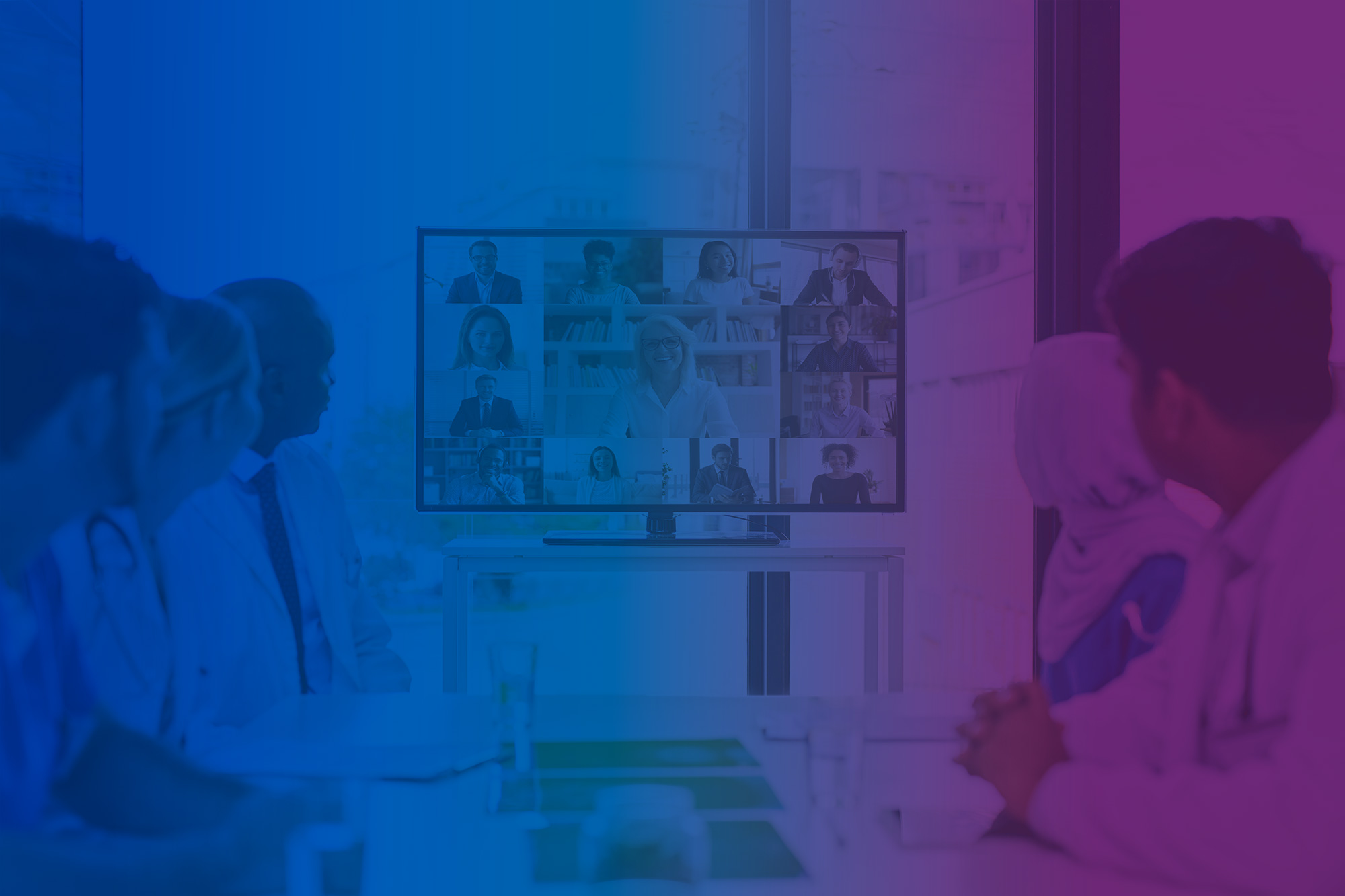
Our mission is to integrate interprofessional specialist teams and community healthcare providers. By providing a convenient online environment to share and discuss best practices, we aim to empower community healthcare providers to safely and effectively care for paediatric patients with specific conditions. Here’s how we do it:

  1. Healthcare providers register for any curriculum, at no cost
  2. Registrants access curated resources and attend sessions online
  3. Each session has: a didactic presentation, a patient case presentation, and a discussion
  4. Community healthcare providers take lessons learned back to their practice

Epilepsy Curricula.

ECHO Ontario: Epilepsy Across the Lifespan interdisciplinary teams are based in 10 sites across Ontario. Each team includes an epileptologist, nurse practitioner, pharmacist, social worker, neuropsychologist and community agency representative connected with the provinces regional Comprehensive Epilepsy Programs (CEPs).

The program delivers four (4) different curricula:

Paediatric Curricula.

Paediatric Project ECHO offers community-based healthcare providers with access to evidence-based knowledge, an interprofessional network, and a community of practice to support the delivery of safe and effective care to their paediatric patients. The program uses a combination of interactive videoconferencing, educational presentations, and hands-on workshops to enhance learning and build a supportive community of practice that focuses on four (4) paediatric specialties:

Words from Our Team.

Click image to enlarge

Specific Curricula.

Explore a series of sessions that dive deeper into a specific topics.

Tuberous Sclerosis Complex (TSC)

Seizures occur in up to 90 percent of people with TSC and TSC is the leading genetic cause of epilepsy. 1.
Tuberous sclerosis complex (TSC) is a multisystem disorder that can cause both epilepsy related and non-epilepsy related complications that family care providers may encounter. This curriculum aims to provide evidence-based education regarding management and treatment of TSC, TSC-associated epilepsy and other TSC comorbidities for health care providers caring for children and youth, and adults living with epilepsy.

Anti-Seizure Medications (ASMs)

This program provides an overview of anti-seizure medications and indications according to seizure type.
Learn about commonly used anti-seizure medications, how to titrate and adjust medications, and drug interactions.

Women and Epilepsy

Learn about the implications that the various phases of a woman’s life may have on seizure disorders and treatment plans.
Women with epilepsy present with unique management challenges/treatment needs throughout their lifetime which may be linked to hormonal changes associated with the menstrual cycle (or puberty), pregnancy, and menopause.

Comorbidities of Epilepsy

The Comorbidities series is focused on various symptoms and illnesses that people with Epilepsy may struggle with secondary to their Epilepsy diagnosis.
This curriculum will discuss the management of comorbidities associated with epilepsy that community providers may see, even if a neurologist or epileptologist is managing the epilepsy diagnosis.

Paediatric Deep Brain Stimulation (pDBS)

An established therapy that presents novel opportunities for the care of children with epilepsy.
This program is designed for healthcare practitioners seeking knowledge about pDBS (Paediatric Deep Brain Stimulation), and will introduce pDBS, its application to epilepsy, surgical considerations and post-op care management and outcomes.

Paediatric Project ECHO eLearning Modules.

Unable to join the live sessions? Explore these interactive eLearning modules at your convenience. Modules are interactive, include case-based learning and provide resources that can be taken back to day-to-day practice. Topics were selected based on a comprehensive needs assessment and feedback from our participants and were developed by experts in the respective areas.