March 5 & 6, 2026

Applications Closed

Apply for the ECHO Education Event (E3) and take your paediatric pain management skills to the next level. This free two-day event, crafted by leading experts at the Hospital for Sick Children (SickKids), is perfect for healthcare providers like you who want practical tools and strategies for managing pain in children. Through interactive workshops and sessions, you’ll build essential knowledge for both acute and chronic paediatric pain care.

You’ll earn an accredited certificate, connect with fellow professionals and specialists, and gain access to additional SickKids educational resources. Join E3 to strengthen your expertise and make a meaningful difference for your patients and their families.

Deadline to apply is February 6, 2026 by 11:59 p.m. ET.
Why Apply?

Pain functions as a fundamental protective mechanism in humans. Nonetheless, when individuals associate healthcare professionals, hospitals, and clinics with pain, it can lead to the avoidance of healthcare services. In Ontario, where the healthcare system faces significant challenges, it is imperative that individuals seek timely medical care rather than postponing intervention until a crisis occurs. Conversely, when patients present with pain-related concerns, it is essential they receive comprehensive assessments, gain an understanding of their pain, and are informed about appropriate management strategies.

E3 is your opportunity to gain the tools you need to help kids in pain.

From routine vaccinations to unexplained pain, E3 will provide the skills you need to not only alleviate the discomfort, fear and uncertainty patients and families experience with both acute and chronic pain but also give way to a more efficient and collaborative work environment.

What to expect?

E3 is a focused two-day event on paediatric pain management. Day One (March 5) features interactive workshops and lectures to build key knowledge and skills, emphasizing evidence-based practice, clinical techniques, and empathy. On

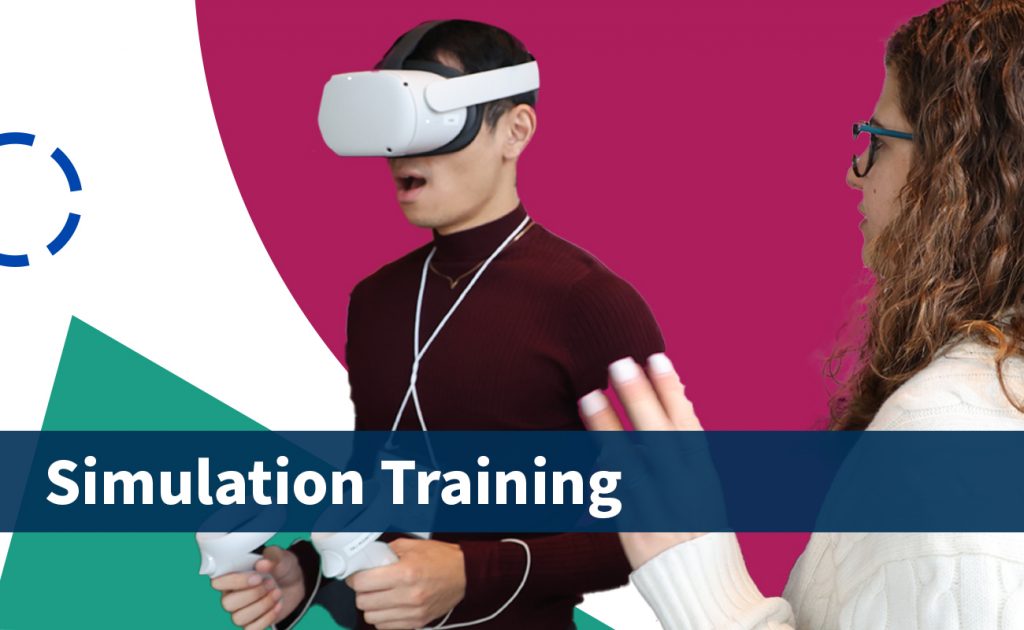
Day Two (March 6), participants engage in simulation training to apply what they’ve learned in realistic scenarios, promoting practical experience and interprofessional collaboration.

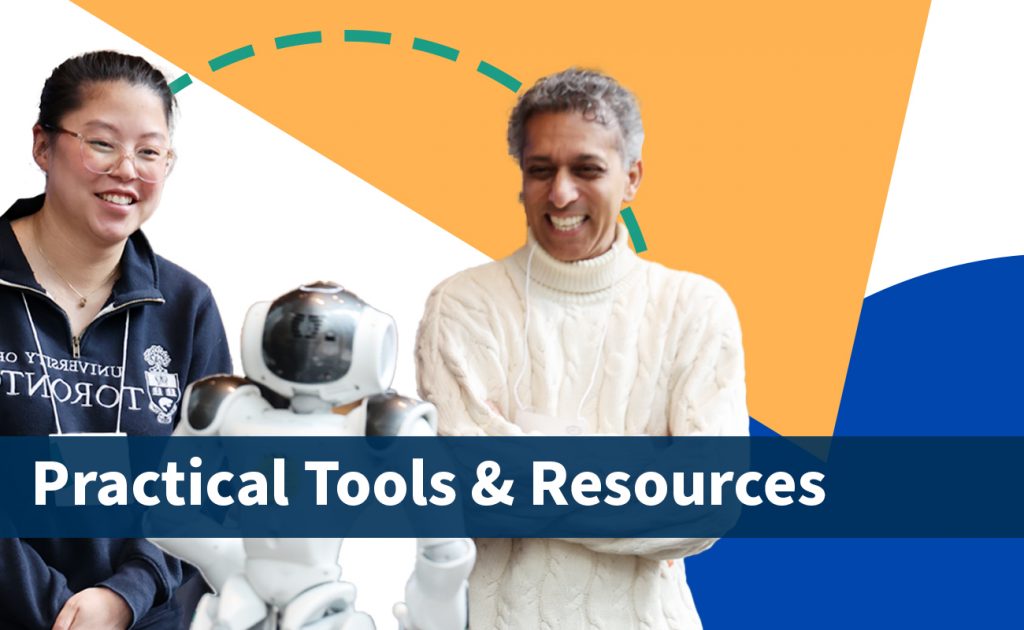
ECHO co-leads Sara Klein (left) and Naiyi Sun (right), presenting an overview on pain in children at E3.

Understanding Chronic Pain

Historically, pain was seen as a symptom rather than a disease. While physical causes are straightforward, chronic pain involves complex factors that medical training often overlooks. Notably, veterinarians receive far more pain education than physicians, meaning pets may get better pain care than children. Despite more recognition of pain as a disease and new clinics opening, since one in five Canadian children struggle with chronic pain, many children lack adequate care and are sometimes dismissed by healthcare professionals who may not fully understand pain complexities. As a result, many children continue to suffer, missing school and social opportunities crucial for their development.

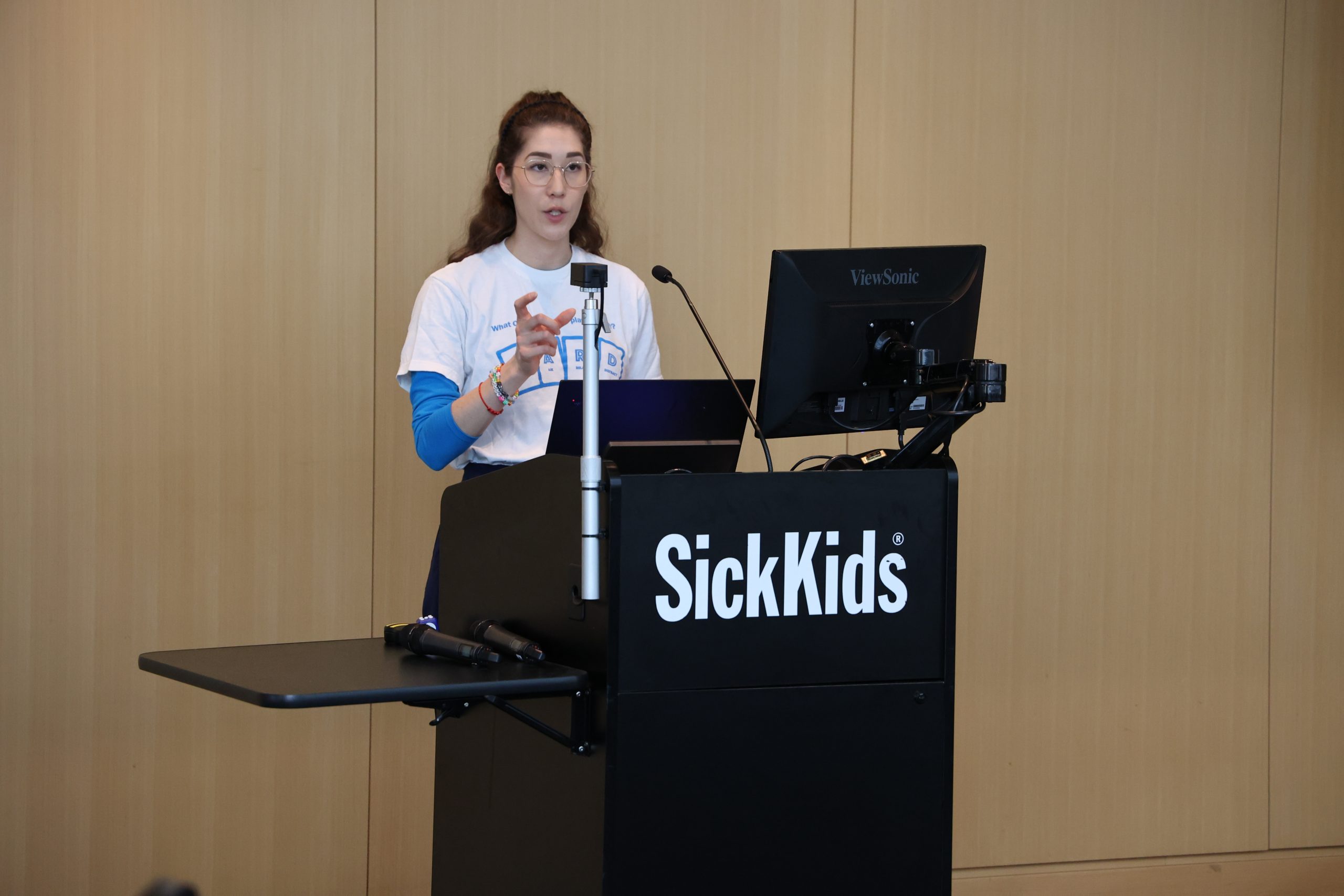
Dana Kondo, child life specialist at SickKids presenting on “The CARD System” at E3.

Alleviating Acute Pain

Despite recognizing the problem of painful stimuli in healthcare, efforts to reduce routine needle pain remain unused. Though the physical pain is brief, stress—especially in children—can have lasting impacts on both individuals and the healthcare system. Studies show that 90% of infants and 45% of preschoolers experience severe distress during vaccinations, which can lead to healthcare avoidance and immunization noncompliance later in life. Practical methods like the “The CARD System” covered in E3’s agenda exist to ease needle pain, where allowing kids to endure this trauma is unnecessary.

Standardized patient actor and physician during a pain assessment simulation at E3.

Equity, Diversity and Inclusion when Managing Pain

Although progress has been made in improving access to pain care and education, myths and biases about pain still exist. These issues are worsened by disparities in care faced by children from various backgrounds. Focusing on equity, diversity, and inclusion (EDI) is essential for making sure all children get compassionate and effective pain treatment. By acknowledging and addressing systemic barriers and unconscious biases in healthcare, we can foster more inclusive spaces where every child’s pain is properly recognized and treated.

Our Goal

Throughout both days, E3 aims to equip healthcare providers with the expertise, perspectives, and collaborative tools needed to reduce suffering, promote equity, and enhance pain care for children and youth across Ontario. By the conclusion of the event, you will be empowered with the knowledge and experience to make a meaningful difference in your practice and for the families you serve.

Apply for E3

Frequently Asked Questions

Who should attend E3?

Physicians, nurses, and allied health practitioners across Ontario. E3 is designed for anyone seeking practical, evidence-based pain management tools for children and youth.

Is there a fee to attend?

E3 is completely free. Additional travel and accommodations support is available upon request and approval to ensure equitable access.

Will I earn Continuing Professional Development Credits?

Yes, attendees will receive a certificate and credits applicable for professional development. You may earn credits under different sections depending on your role in simulation-based training.

How will this event help me at work?

You’ll learn actionable pain management strategies, communication skills, and equity considerations for immediate use with your patients and healthcare teams.

How do I apply?

Complete this application form or click the “Apply for E3” button  above. Early application is recommended because spots are limited.

Still have a question? Send us a message!

Paediatric Project ECHO is a self-approved group learning activity (Section 1) as defined by the Maintenance of Certification program of The Royal College of Physicians and Surgeons of Canada. This program is funded by the Ministry of Health Ontario and is operated by the Hospital for Sick Children (SickKids) Learning Institute. Collaborators include the Children’s Hospital of Eastern Ontario (CHEO), Hamilton Health Sciences, University Health Network (UHN) and ECHO Ontario.