Connected Care is a program that works to enhance experience with transitions and build confidence, competence and shared understanding among children with medical complexity, their families and health care providers. Located at SickKids, Connected Care offers a range of services and partners across the continuum of care to coordinate, improve health and safety, spread standards of paediatric practice and deliver greater value across the health system.


Pre-event to do list:
Day 1 - Thursday, March 5, 2026
Breakfast is served at 800.
Day 1 features presentations and workshops on pain education, practical management skills, physical and psychological assessment, and acute pain management, including “CARD“.
General Preparation Resources:
- Pain Metaphors for Children
- Complex Regional Pain Syndrome in Children
- The IASP classification of chronic pain for ICD-11
Video Resources:
Click +/- to expand or collapse Day 1 – preparation materials.
Day 2 - Friday, March 6, 2026
Breakfast is served at 800.
Day 2 involves using skills from Day 1 in simulation activities, followed by a scheduled ECHO session with the Pain Management ECHO community.
Simulation Forms, Resources and Materials:
Forms to be completed:
Resources and Materials:
Click +/- to expand or collapse Day 2 – simulation materials.
Agenda
Day 1 - Enhancing your skills.
Click + for more information on each agenda item.
800 - 900: Registration & Breakfast
Join us for breakfast in the gallery of the SickKids Peter Gilgan Centre for Research and Learning (PGCRL).
900 - 920: Overview of Pain in Children
Presented by Dr. Naiyi Sun
Learning Objectives
- Describe the context of chronic pain in children
- Describe the prevalence of chronic pain in children, and common pediatric pain presentations/diagnoses
- Describe the importance of assessing pain in children using a biopsychosocial model
920 - 950: How to Explain Pain
Presented by Sara Klein, PT
Learning Objectvies
- Describe the importance of pain neuroscience as part of chronic pain treatment
- Review the basic neuroscience of chronic pain
- Review how to explain pain to children and their families in order to improve readiness for 3P approach for intervention
950 - 1020: Physical Assessment
Presented by Brittany Wu, PT
Learning Objectives
- Explain a systematic approach to support and guide a physical assessment of a child in persistent pain.
- Identify key features in a neuromuscular assessment in the context of a child presenting with persistent pain.
- Build confidence in recognizing how to be creative with assessment skills in varying circumstances when assessing a child in pain either in-person or virtually.
1020 - 1030: Break
Light refreshments will be served. Complete the dietary restriction request form if applicable.
1030 - 1115: Acute Pain Management
Presenter TBC
Learning Objectives
- Reflect on pain assessment tools
- Develop approaches to acute pain management
- Apply your approach to clinical cases
1115 - 1125: Break
Light refreshments will be served. Complete the dietary restriction request form if applicable.
1125 - 1225: EDI Workshop
Presented by Riley Featherston, RN, MN
Learning Objectives
- Review the connection between health equity and unconscious bias
- Describe how our social positionality influences our biases
- Describe the impact of unconscious bias on clinical care
- Discuss critical self-reflection strategies to foster culturally safe patient care in pain management
1225 - 1330: Lunch & Booth Exhibit
During the lunch-hour on Day 1, we are delighted to showcase a selection of our esteemed partners.
1330 - 1400: The CARD System
Presented by Dana Kondo, CLCLS & Mandi Kohli, M.R.T(N), BSc
Learning Objectives
- Describe how the CARD system minimizes needle procedure-related fear and pain
- Differentiate how the CARD system differs from traditional healthcare provider-led approaches for pediatric procedural pain management
- Evaluate current approaches and how the CARD system can be incorporated into your healthcare setting
1400 - 1410: Body Break
Light refreshments will be served. Complete the dietary restriction request form if applicable.
1410 - 1440: Psychological Assessment
Presented by Dr. Danielle Ruskin, Psych
Learning Objectives
- Recognize patient criteria for psychological assessment
- Identify key components of a pain psychology assessment
- Discuss strategies to build engagement during the assessment of psychological factors
- Identify important considerations when assessing cases with significant mental health needs
1440 - 1450: Break
Light refreshments will be served. Complete the dietary restriction request form if applicable.
1450 - 1615: 5 Rotating Workshops for Practical Pain Management
- Return to School by Sarah Ohana, OT
- Desensitization by Britanny Wu, PT
- Sleep Hygiene by Michelle Wong, PT
- Mindfulness by Dr. Danielle Ruskin, CPsych
- Progressive Muscle Relaxation (PMR) by Selena Santos PT, MSc
1615 - 1620: Closing & Wrap-Up
Important information to prepare for Day 2.
Day 2 - Applying your skills.
Click + for more information on each agenda item.
800 - 845: Breakfast & Community Building
Join us in the Peter Gilgan Centre for Research and Learning Gallery (2nd Floor) for breakfast and networking.
845 - 1145: Simulation Activities
Participants will rotate through two 75-minute simulation scenarios.
Simulation Scenario 1: Hanna’s Pain Assessment – Getting a Patient History
Facilitated by Allison Dodds, RN, BScN, MEd
Learning Objectives:
- Learners will identify at least 3 of the correct domains of the biopsychosocial assessment of pain including attitudes/beliefs, physical function, sleep, school, emotional, family, social
- Learners will demonstrate effective interviewing skills to complete the assessment of the above domains for both patient and caregiver
- Learners will demonstrate a collaborative interprofessional team approach to complete a subjective assessment
Simulation Scenario 2: Ella’s Physical & Psychological Assessment
Facilitated by Riley Featherston, RN, MN
Learning Objectives
- Learners will demonstrate a pain focused physical examination.
- Learners will review the limits of confidentiality with patient
- Learners will demonstrate an assessment of substance use and psychosocial function with the adolescent on their own.
1145 - 1200: Break
Light refreshments will be served. Complete the dietary restriction request form if applicable.
1200 - 1300: Lunch & ECHO Session: Anti-racism, Inclusive Practices and Cultural Safety
The ECHO Session will be broadcasted in the Gallery during lunch where you will join the rest of the ECHO community.
Presented by Dr. Lisa Isaac, MD
1300 - 1400: Takeaway Celebrations
Dr. Naiyi Sun will facilitate reflections and key takeaways to end the November 2025 ECHO Education Event.
Understanding Simulation-Based Learning at E3
What is Simulation?
Simulation is a hands-on training method where participants practise tasks and processes in realistic scenarios. You will receive constructive feedback from both observers and peers, designed to help you improve your skills. This interactive, experiential learning approach mirrors real-life situations within a safe and supportive environment, free from judgement.
Recommended Pre-reading: Simulation-Based Medical Education in Pediatrics
Simulation-Based Learning encompasses a range of structured activities that reflect actual or potential situations encountered in education and professional practice. These activities are designed to help you build and refine your knowledge, skills, and attitudes, and to respond thoughtfully to realistic challenges in a simulated setting.
What to Expect on Day 2
- The simulation training session will require you to apply the skills and knowledge acquired on Day 1.
- You can participate as either an Active Participant or an Observer in the simulation scenarios. Please note: active participants and observers earn credits from different sections.
- Interested in being an active participant? Learn more about accreditation and sign up by completing the Simulation Active Role Sign-Up Form.
- Hard copies of the participant guide will be available at the event. Alternatively, you may access a digital version on your device.
Speakers & Facilitators

Dr. Naiyi Sun, MD
Anaesthesiologist | ECHO Medical Lead

Sara Klein, PT
Physiotherapist | ECHO Medical Lead

Brittany Wu, PT
Physiotherapist

Dr. Danielle Ruskin, C.Psych
Clinical Psychologist

Dana Kondo, MSc, CCLS
Certified Child Life Specialist

Mandy Kohli M.R.T(N), BSc
Clinical Instructor

Riley Featherston, RN, MN
Interprofessional Education Specialist

Sarah Ohana, OT
Occupational Therapist
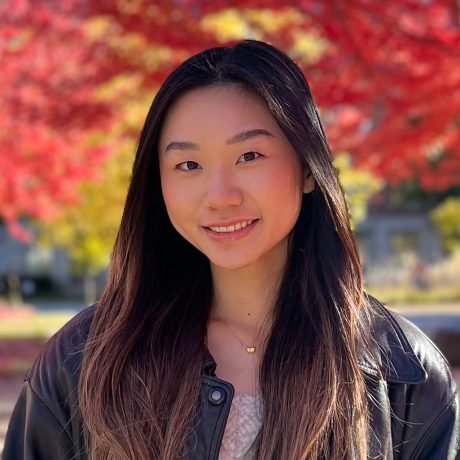
Michelle Wong, PT
Physiotherapist

Selena Santos, PT, MSc
Physiotherapy Resident
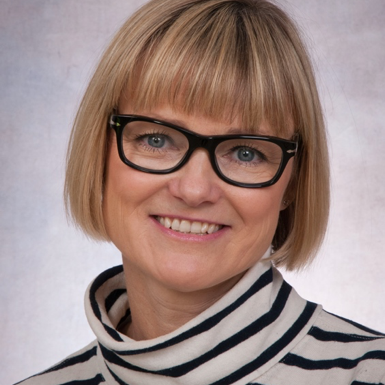
Alison Dodds, RN, BScN, MEd
SickKids Simulation Educator
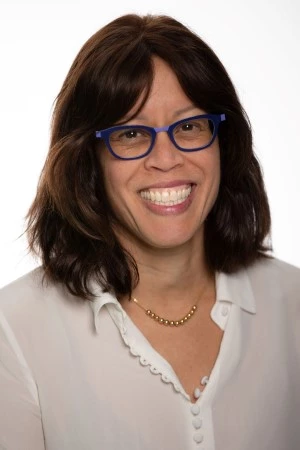
Dr. Lisa Isaac
Anesthesiologist
Partners
AboutKidsHealth
AboutKidsHealth is a health education website for children, youth and their caregivers.
Connected Care
ECHO Epilepsy Across the Lifespan
https://oen.echoontario.ca/
Obtain free CME credits, case based learning and more. All ECHO programs are free to participate for all health care providers in any health care setting in Ontario.
Sessions are accessed online via teleconferencing sessions that include didactic lectures and an interactive discussion of de-identified patient cases. Gain enhanced skills and confidence in managing epilepsy safely and effectively.
Kids Health Alliance
Kids Health Alliance is a not-for-profit network of organizations that collaborate to make tangible improvements in care for children and youth. With our partners, we will achieve a better child, youth and family experience, improve health outcomes and generate greater value.
Knowledge Translation Professional Certificate Program
The KT program provides thought leadership and offers professional development, support and tools for KT across the hospital and in the community, both nationally and internationally. The KT Program works with KT professionals, clinicians, researchers, educators, funders and other organizations to strengthen KT capacity, develop the KT profession, support growth of KT-friendly organizations and create research impact. We offer professional development opportunities that help learners share research findings, implement new practices and programs, learn from one another, foster communication and improve collaboration skills.
Pain Centre
The SickKids Pain Management, Research and Education Centre (Pain Centre) is a leading international paediatric centre in pain prevention and treatment.
Simulation Program at SickKids
The Simulation Program at SickKids (SimKids) is an ever expanding, diverse, collaborative program that has been in formal operation since 2009. The SimKids was initially accredited by the Royal College of Physicians and Surgeons of Canada in 2013 and most recently renewed in 2018. The SimKids supports over 5,400 learners and facilitates more than 20,000 learner hours each year.
Other Resources



Paediatric Project ECHO is funded by the Ministry of Health and is a self-approved group learning activity (Section 1) as defined by the Maintenance of Certification program of The Royal College of Physicians and Surgeons of Canada.